
Stem Cell Treatment for Occipital Neuralgia
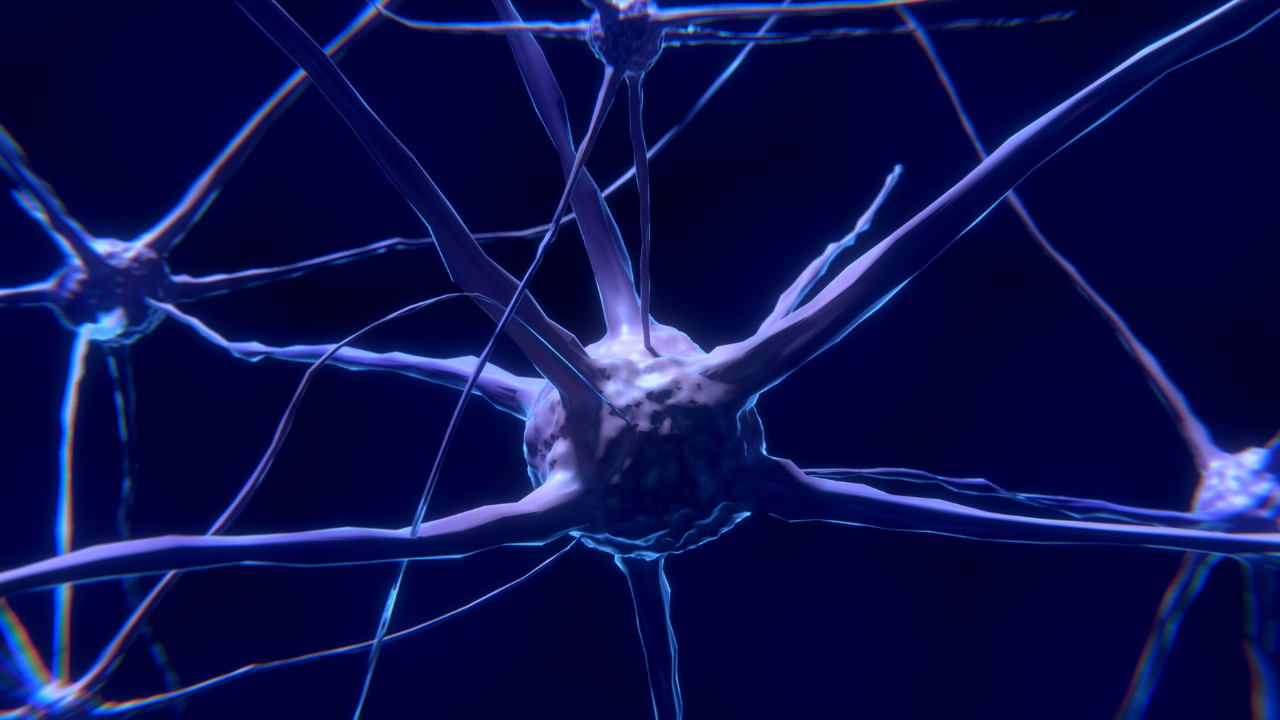
Stem cell treatment for occipital neuralgia must be discussed with diagnostic precision. Occipital neuralgia is a nerve pain condition, not a generalized headache syndrome or a simple tissue degeneration problem.
Cell-based therapy in this area remains investigational. The first clinical priority is to identify the source of pain, protect standard neurological care, and avoid broad regenerative claims before evidence is strong enough to support them.
The pain begins with a nerve pathway
Occipital neuralgia usually involves irritation, compression, injury, or sensitization of the greater, lesser, or third occipital nerves. These nerves travel from the upper cervical region toward the back of the head and scalp. When irritated, they may produce sharp, shooting, burning, electric, or stabbing pain that can radiate from the upper neck into the scalp.
The pain may be triggered by neck movement, pressure over the nerve path, prolonged posture, muscle tension, previous trauma, cervical spine disease, or sometimes no clear cause. It may mimic migraine, cervicogenic headache, tension-type headache, or other head pain disorders. This overlap makes diagnostic accuracy essential.
A regenerative procedure cannot be judged responsibly until the diagnosis is secure. If the pain is actually migraine, cervical radiculopathy, temporomandibular disorder, vascular disease, infection, or another secondary headache condition, a stem cell-based strategy would be misdirected from the beginning.
In occipital neuralgia, the first therapeutic decision is not what to inject. It is whether the occipital nerve is truly the source of the pain.
Why stem cells entered the conversation
Stem cell treatment is sometimes discussed for nerve-related pain because certain cell-based products may have paracrine, anti-inflammatory, immunomodulatory, or trophic signaling properties. In theory, these effects could influence local tissue inflammation, nerve irritation, or the environment surrounding a damaged nerve.
That hypothesis is biologically interesting, but it is not proof of clinical benefit. Occipital neuralgia is often a problem of nerve irritation, entrapment, mechanical sensitivity, or cervical musculoskeletal contribution. A cell product would need to show that it can meaningfully reduce nerve pain, improve function, reduce medication need, and maintain benefit over time.
The burden of proof is high because occipital neuralgia already has established diagnostic and treatment pathways. Nerve blocks, physical therapy, medications, botulinum toxin in selected cases, radiofrequency techniques, neuromodulation, or decompression approaches may be considered depending on the patient and response pattern.
Evidence boundary: a biological rationale is not the same as an accepted treatment pathway.
For occipital neuralgia, any stem cell claim should be evaluated against diagnosis confirmation, product definition, procedural safety, outcome measurement, and comparison with standard care.
The diagnostic block is a clinical checkpoint
Occipital nerve blocks are commonly used to help confirm whether the occipital nerve is involved in the pain pattern. If local anesthetic temporarily reduces the characteristic pain, that response can support the diagnosis. It does not prove that every future intervention will work, but it helps identify the nerve as a meaningful target.
This matters for regenerative claims. If a patient has not had a careful neurological assessment or diagnostic confirmation, the treatment target remains uncertain. A broad injection into the neck or scalp area cannot substitute for a structured diagnostic process.
Patients with red flags require urgent evaluation before any elective intervention. Sudden severe headache, fever, neck stiffness, neurological weakness, confusion, vision loss, cancer history, immune suppression, trauma, or new headache in later life should not be treated as routine neuralgia without appropriate medical assessment.
Product identity is not a detail
The phrase “stem cell treatment” can describe very different interventions. Bone marrow-derived preparations, adipose-derived products, donor-derived mesenchymal stromal cells, culture-expanded cells, exosome-based products, and conditioned biologics differ in source, processing, sterility, potency, dose, route, and regulatory status.
For nerve pain conditions, this difference is critical. A product used near sensitive neural structures must be clearly characterized. The provider should be able to explain what the product is, how it is prepared, how it is tested, what dose is used, where it is injected, and what safety monitoring follows.
If these details are vague, the term “stem cell therapy” loses scientific meaning. The result may be impossible to interpret, and the patient may be exposed to uncertainty without a clear evidence basis.
A defined product can be studied. A vague regenerative label can only be marketed.
The anatomy makes safety central
The occipital region is anatomically delicate. The nerves travel through muscles, fascia, and connective tissue near vascular structures and the upper cervical spine. Procedures in this area require anatomical precision, sterile technique, and careful patient selection.
Potential risks of investigational cell-based procedures may include infection, inflammatory flare, nerve irritation, worsening pain, bleeding, allergic or immune reaction, contamination, abnormal tissue response, or delayed appropriate treatment. The risk profile depends on product type, injection technique, route, dose, and patient condition.
Because occipital neuralgia is painful but usually not life-threatening, the safety threshold for experimental treatment should be conservative. A procedure should not carry unclear risk when standard diagnostic and therapeutic options have not been properly considered.
The neck cannot be ignored
Occipital neuralgia often lives at the boundary between nerve pain and cervical mechanics. Muscle tension, posture, upper cervical joint irritation, previous whiplash, degenerative changes, or entrapment points can all influence symptoms. Treating only the nerve without understanding the neck may miss the broader pain system.
This is why physical therapy, posture work, movement retraining, manual therapy, ergonomic changes, and treatment of cervical contributors may be important. In some patients, the nerve is irritated because the surrounding mechanical environment keeps provoking it.
A biologic intervention, if ever studied for this condition, would need to be integrated with a broader care plan. The goal should be reduced nerve irritability, improved neck function, and durable symptom control, not a temporary response that fades when the same mechanical triggers return.
What meaningful improvement should look like
Occipital neuralgia outcomes should be practical and patient-centered. Pain intensity matters, but so do attack frequency, pain-free days, medication use, sleep quality, neck mobility, ability to work, tolerance of touch or pressure, and reduction in emergency visits or repeated procedures.
A credible study should also distinguish neuralgia pain from migraine-like symptoms. Some patients have both migraine and occipital nerve pain. If outcomes are not separated carefully, the treatment effect becomes unclear.
Durability is especially important. A brief reduction in pain after any injection may occur for several reasons, including local anesthetic effect, needling effect, steroid effect, placebo response, or natural fluctuation. A stem cell claim would need to show benefit that is sustained and attributable to the defined product.
Clinical measurement principle: improvement should be tracked before and after treatment with a headache diary, medication record, functional scale, and clear follow-up intervals.
How to read commercial claims
Patients with chronic head and neck pain often search for new solutions after years of incomplete relief. This can make regenerative language powerful. Terms such as nerve repair, healing, regeneration, and permanent relief may sound reassuring, but they require evidence.
A responsible clinic or research program should be able to answer direct questions. Is the treatment approved for occipital neuralgia? Is it part of a regulated clinical trial? What exact product is used? What diagnosis has been confirmed? What outcomes are measured? How are adverse events monitored? What standard treatments have been considered?
If a treatment is promoted as a guaranteed cure, a permanent nerve repair, or a replacement for neurological evaluation, it should be viewed with caution. Occipital neuralgia deserves careful care, not broad claims.
A credible path forward
The future of stem cell treatment for occipital neuralgia would require narrow, well-designed studies. These studies would need confirmed diagnosis, defined cell products, image-guided or anatomically precise delivery, appropriate controls, standardized outcome tracking, and long-term safety monitoring.
It may be possible that biologic approaches eventually find a role in selected nerve pain conditions. But that role must be earned through evidence. For now, stem cell treatment for occipital neuralgia should be framed as investigational.
The most responsible approach is careful and structured: confirm the diagnosis, identify nerve and cervical contributors, optimize standard care, evaluate risks honestly, and treat regenerative claims as research questions until proven otherwise.
Frequently asked questions
Is stem cell treatment approved for occipital neuralgia?
In most regulated settings, stem cell treatment should not be considered an approved standard therapy for occipital neuralgia unless a specific product has formal approval for that indication.
What is occipital neuralgia?
Occipital neuralgia is a nerve pain condition involving the occipital nerves, often causing sharp, shooting, burning, or electric pain from the upper neck into the back of the head and scalp.
Can stem cells repair the occipital nerve?
Broad claims that stem cells can repair the occipital nerve are not established for routine care. Research would need to show product-specific, durable, clinically meaningful benefit.
How is occipital neuralgia usually diagnosed?
Diagnosis is based on symptom pattern, physical examination, tenderness over nerve pathways, exclusion of other headache causes, and sometimes response to an occipital nerve block.
What standard treatments are considered?
Standard approaches may include medications, physical therapy, heat or massage, nerve blocks, botulinum toxin in selected cases, radiofrequency procedures, neuromodulation, or surgery in carefully selected patients.
What risks should patients consider?
Potential risks may include infection, bleeding, pain flare, nerve irritation, immune reaction, contamination, abnormal tissue response, worsening symptoms, or delayed appropriate neurological care.
Why should migraine be ruled out?
Occipital neuralgia can mimic or overlap with migraine, cervicogenic headache, and other headache disorders. Treatment should be based on the correct diagnosis, not only on pain location.
How should clinics offering stem cells for occipital neuralgia be evaluated?
Patients should ask about regulatory status, exact product identity, diagnosis confirmation, injection target, imaging or anatomical guidance, published evidence, safety monitoring, follow-up, and specialist involvement.
Quick Question