
Stem Cell Treatment for Shoulder and Achilles Tendinitis
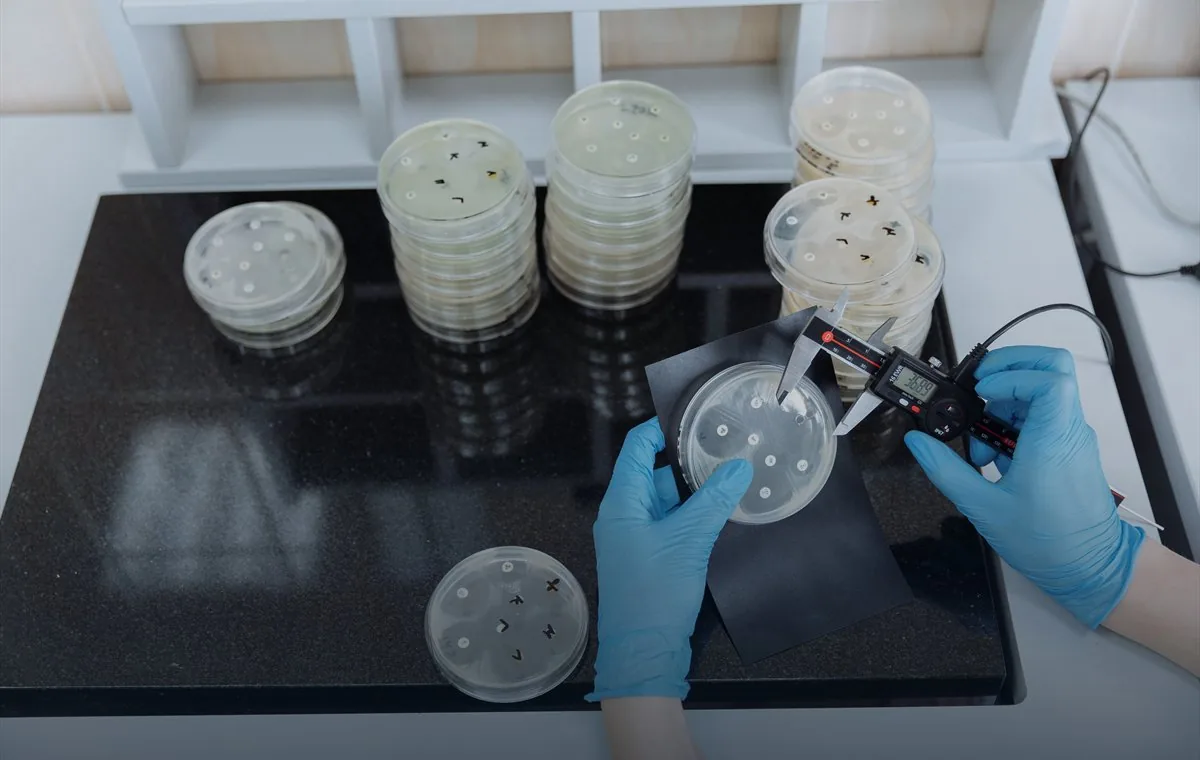
Stem cell therapy for tendinitis in the shoulder and Achilles tendon sits within the evolving field of regenerative orthopedics. The idea is to support tendon healing biology, but it should not be presented as a guaranteed repair procedure.
Shoulder tendons and the Achilles tendon fail in different ways. A credible regenerative strategy must respect anatomy, load, injury stage, rehabilitation, and evidence rather than treating all tendon pain as one condition.
Tendinitis is often not pure inflammation
The word “tendinitis” suggests inflammation, but many persistent tendon problems are better described as tendinopathy. In chronic tendinopathy, the tendon may show disorganized collagen, altered cellular activity, increased sensitivity, reduced load tolerance, and incomplete remodeling rather than simple acute inflammation.
This distinction matters because treatment goals change. If pain is driven mainly by acute irritation, rest and anti-inflammatory strategies may help. If the tendon has developed chronic degenerative change, the focus shifts toward progressive loading, mechanical correction, tissue remodeling, and restoring functional capacity.
Stem cell approaches are being explored because certain cell-based products may release signaling molecules that influence inflammation, collagen remodeling, angiogenesis, and local tissue repair pathways. Yet these mechanisms remain investigational. A biological possibility is not the same as a proven clinical outcome.
A tendon is not healed because pain becomes quieter for a few weeks. It is healed when it can tolerate load, transmit force, and function reliably over time.
Shoulder tendons: a crowded anatomical space
Shoulder tendinitis usually involves the rotator cuff or sometimes the long head of the biceps tendon. The rotator cuff is not a single tendon. It is a coordinated group of tendons and muscles that stabilize the shoulder while allowing movement. Pain may arise from tendinopathy, partial tearing, bursitis, impingement mechanics, stiffness, instability, or degenerative change.
This makes diagnosis essential. A patient with supraspinatus tendinopathy is not the same as a patient with a full-thickness rotator cuff tear. Biceps tendinopathy is not the same as frozen shoulder. Shoulder pain can also be referred from the neck or influenced by scapular mechanics, posture, weakness, and training load.
Shoulder reality: the tendon is part of a moving system.
A regenerative injection cannot correct poor scapular control, major tendon rupture, severe stiffness, or mechanical compression if those are the dominant drivers of pain.
If stem cell therapy is studied in shoulder tendinopathy, it should be linked to a precise diagnosis. The target tissue, tear status, tendon quality, imaging findings, shoulder mechanics, and rehabilitation plan all influence whether outcomes can be interpreted responsibly.
Achilles tendon: a load-bearing structure under constant demand
The Achilles tendon is the strongest tendon in the body and carries substantial load during walking, running, jumping, and climbing. Achilles tendinopathy may occur in the midportion of the tendon or near its insertion on the heel bone. These two patterns behave differently and often require different rehabilitation strategies.
Midportion Achilles tendinopathy commonly involves pain and thickening above the heel. Insertional Achilles tendinopathy occurs where the tendon attaches to the calcaneus and may be associated with bony prominence, compression, or irritation from footwear. Partial tears, acute rupture, systemic inflammatory disease, and fluoroquinolone-associated tendon injury must also be considered.
The Achilles tendon is unforgiving because it is loaded thousands of times per day. Even if a biologic therapy improves pain, the tendon still must gradually regain strength, stiffness, elasticity, and energy-storage capacity. Returning too quickly to running or sport can undermine any healing response.
The Achilles tendon does not recover by biology alone. It recovers when biology is paired with intelligent loading and patient discipline.
The stem cell concept in tendon healing
The most common scientific rationale for stem cell therapy in tendinopathy involves mesenchymal stromal cells and related biologic products. These cells may influence tissue environments through paracrine signaling rather than simply transforming into new tendon tissue. The proposed effects include modulation of local inflammation, support of collagen organization, angiogenic signaling, and interaction with tendon-resident cells.
That does not mean stem cells automatically regenerate damaged tendons. Tendons are mechanically specialized tissues with aligned collagen architecture. Restoring a tendon is not just a cellular process; it requires correct mechanical stimulation, time, vascular support, and functional retraining.
For shoulder and Achilles tendons, the evidence question should be narrow: does a defined product improve pain, function, tendon tolerance, structural healing, or return-to-activity beyond what would be expected from rehabilitation and standard care?
Product identity should be clear
“Stem cell therapy” is not one treatment. Bone marrow aspirate concentrate, adipose-derived preparations, culture-expanded mesenchymal stromal cells, donor-derived products, exosome-based preparations, and conditioned media are different interventions. They vary in cell content, processing, viability, potency, sterility controls, dose, and regulatory status.
This matters because tendon outcomes can improve for many reasons. Rehabilitation, natural healing, placebo response, needling effect, load reduction, improved sleep, medication changes, and altered activity can all change symptoms. If the product is poorly defined, improvement after treatment cannot be interpreted with confidence.
A credible program should describe the exact product, source, processing method, quality controls, sterility testing, release criteria, dose, target tissue, delivery method, and follow-up schedule. Without those details, the term “stem cell treatment” becomes too broad to carry scientific meaning.
Rehabilitation is the central partner
Tendon rehabilitation is not optional background care. It is the primary stimulus for tendon adaptation. Progressive loading helps the tendon reorganize, tolerate stress, and rebuild capacity. The program may include isometrics, eccentric loading, heavy slow resistance, mobility work, kinetic chain strengthening, gait or throwing mechanics, and gradual return to sport.
For shoulder tendons, rehabilitation may focus on rotator cuff strength, scapular control, thoracic mobility, posterior capsule flexibility, and overhead mechanics. For Achilles tendinopathy, rehabilitation may focus on calf strength, tendon loading progression, foot mechanics, running volume, ankle mobility, and plyometric readiness.
If a stem cell procedure is used without structured rehabilitation, the tendon may receive a biological signal but no mechanical guidance. That is not a complete recovery strategy.
When structural failure changes the pathway
Not every tendon condition is appropriate for an injection-first approach. A complete Achilles rupture, high-grade partial tear, massive rotator cuff tear, severe tendon retraction, marked muscle atrophy, or major functional weakness may require orthopedic surgical evaluation. Delaying appropriate care can reduce the chance of good recovery.
Similarly, persistent tendon pain may sometimes be driven by another problem. Neck pathology can mimic shoulder pain. Nerve irritation can mimic tendon pain. Systemic inflammatory disease can affect tendon structures. Heel pain may involve plantar fascia, bursitis, bone stress injury, or insertional compression rather than the tendon alone.
A responsible regenerative strategy begins with confirming that the tendon is truly the target. If the diagnosis is uncertain, the treatment should pause until the clinical picture is clearer.
What meaningful outcomes look like
For shoulder tendinopathy, meaningful outcomes may include improved overhead function, reduced night pain, better strength, improved range of motion, return to sport or work, and reduced need for repeated interventions. Imaging may support the story, but patient function remains central.
For Achilles tendinopathy, meaningful outcomes may include pain reduction during loading, improved walking or running tolerance, calf strength, hopping capacity, return-to-sport confidence, reduced tendon stiffness, and durable activity participation. A short-term pain score alone is not enough.
Durability matters. Tendons often feel better before they are truly ready for high load. A treatment that improves symptoms but fails under sport or occupational demand has not solved the core problem.
Safety and responsible claims
Tendinitis is painful, but it is usually not life-threatening. That means the safety threshold for experimental biologic interventions should be conservative. Potential risks include infection, inflammatory flare, procedural injury, nerve irritation, contamination, abnormal tissue response, worsening pain, delayed surgery when needed, and unknown long-term effects.
Patients should be cautious with claims that stem cells can regrow tendons, avoid surgery in all cases, reverse degeneration, or guarantee return to sport. Responsible clinical language should acknowledge uncertainty, explain alternatives, and define realistic outcomes.
Stem cell therapy for shoulder and Achilles tendinitis remains investigational. Its future depends on better trials, defined products, careful patient selection, standardized rehabilitation, meaningful endpoints, and transparent safety monitoring.
A practical way to think about the field
The most credible approach is layered. First, identify the exact tendon problem. Second, correct the load environment. Third, build a structured rehabilitation plan. Fourth, consider biologic interventions only when the diagnosis is clear, standard care has been appropriate, and the expected outcome is measurable.
In that model, stem cell therapy is not a shortcut. It is a potential adjunct still under investigation. The tendon remains the final judge: it must tolerate real-life load, not simply look improved on a scan or feel better at rest.
For patients, clinicians, and developers, the message is disciplined but hopeful. Tendon biology is modifiable, but durable recovery requires evidence, precision, and respect for mechanics.
Frequently asked questions
Is stem cell therapy approved for shoulder or Achilles tendinitis?
In most regulated settings, stem cell therapy for shoulder or Achilles tendinitis should be considered investigational unless a specific product has formal approval for that indication.
Can stem cells heal tendon damage?
Stem cells are being studied for possible effects on inflammation, collagen remodeling, and tendon repair signaling. Broad claims that they reliably regenerate damaged tendons are not established for routine care.
Is shoulder tendinitis the same as Achilles tendinitis?
No. Shoulder tendinitis usually involves rotator cuff or biceps tendon mechanics, while Achilles tendinopathy involves a major load-bearing tendon in the lower leg. The diagnosis, rehabilitation, and outcome measures differ.
Does stem cell therapy replace physical therapy?
No. Rehabilitation remains central to tendon recovery. Progressive loading, strength work, mobility, mechanics correction, and gradual return to activity are essential for durable improvement.
Who might be considered for investigational biologic treatment?
Potential candidates would need a clear diagnosis, persistent symptoms despite appropriate care, no urgent surgical indication, and realistic expectations. Suitability depends on tendon type, injury severity, imaging, function, and overall health.
What outcomes should credible studies measure?
Studies should measure pain during loading, strength, function, return to sport or work, durability, safety, imaging where appropriate, and comparison with standard rehabilitation or other treatments.
What are the possible risks?
Possible risks include infection, pain flare, procedural injury, nerve irritation, contamination, abnormal tissue response, worsening symptoms, delayed appropriate treatment, and unknown long-term effects.
How should patients evaluate clinics offering stem cells for tendinitis?
Patients should ask about regulatory status, exact product identity, manufacturing quality, diagnosis confirmation, imaging guidance, rehabilitation integration, published evidence, safety monitoring, and realistic outcomes.
Quick Question