
Stem Cell Treatment for Liver Cirrhosis
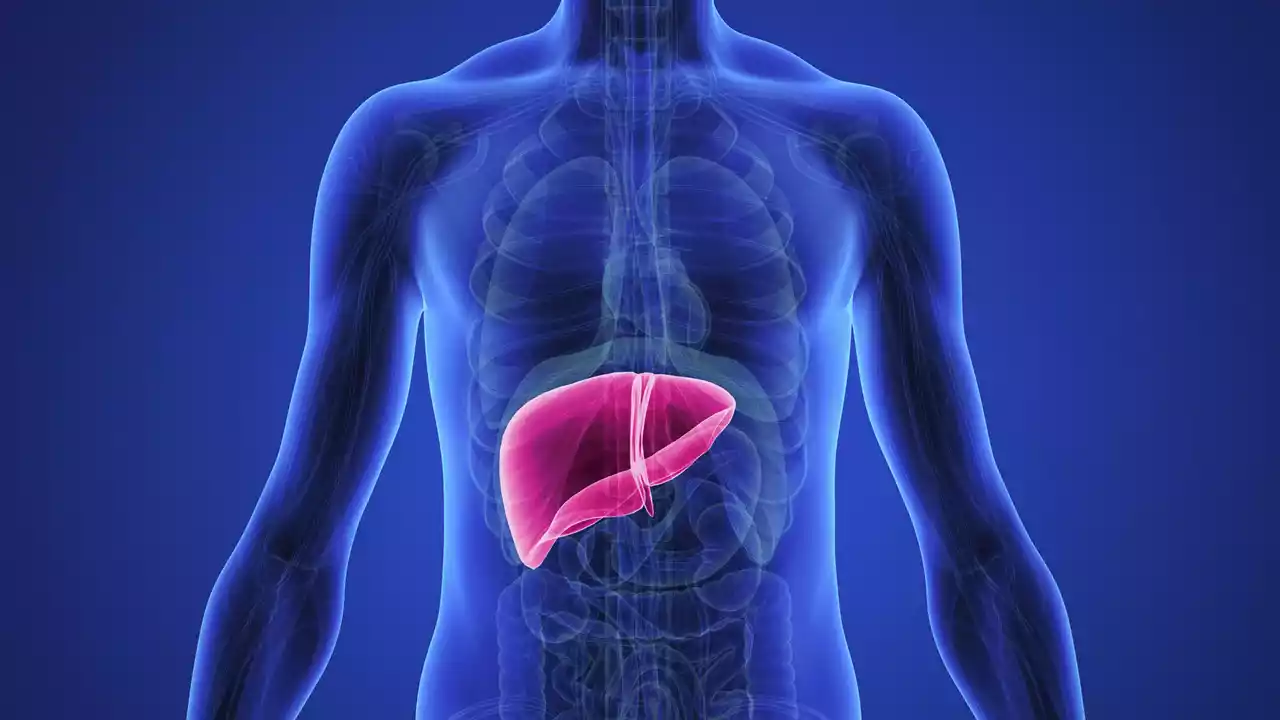
Stem cell treatment for liver cirrhosis sits at the edge of regenerative medicine and advanced hepatology. The concept is scientifically compelling: support a damaged liver environment, reduce inflammatory pressure, and potentially encourage repair signals in a disease where functional reserve is progressively lost.
Yet cirrhosis is not a simple tissue-defect problem. It is a complex, systemic condition involving fibrosis, portal hypertension, immune dysfunction, metabolic stress, vascular remodeling, and risk of decompensation. Any cell-based approach must therefore be evaluated with restraint, clinical precision, and a clear understanding of what it can and cannot claim.
Cirrhosis is a disease of structure and function
Liver cirrhosis develops when long-term injury leads to fibrosis and architectural distortion of the liver. The healthy tissue pattern becomes progressively replaced by scar-like bands and regenerative nodules. As this process advances, the liver may lose its ability to perform essential functions such as detoxification, protein synthesis, bile production, metabolic regulation, and blood flow management.
The causes can vary. Chronic viral hepatitis, alcohol-related liver disease, metabolic dysfunction-associated fatty liver disease, autoimmune liver disease, biliary disorders, genetic conditions, and toxin-related injury may all lead to cirrhosis. This matters because treatment strategy should never focus only on the scarred liver. The underlying cause must be identified and controlled whenever possible.
Compensated cirrhosis may remain clinically quiet for a long time. Decompensated cirrhosis may involve ascites, variceal bleeding, hepatic encephalopathy, jaundice, infections, kidney dysfunction, or severe nutritional decline. A regenerative approach must be interpreted very differently across these stages.
Stem cell therapy for cirrhosis cannot be judged by the word “regeneration” alone. It must be judged by liver stage, disease cause, functional reserve, safety risk, and measurable clinical benefit.
Why stem cells are being investigated
Most clinical interest has focused on mesenchymal stromal cells, bone marrow-derived cells, umbilical cord-derived cells, and other cell-based preparations. The therapeutic hypothesis is not usually that transplanted cells simply become new liver tissue in a direct replacement model. A more realistic mechanism often centers on paracrine signaling, immunomodulation, anti-inflammatory effects, anti-fibrotic signaling, angiogenic support, and stimulation of endogenous repair pathways.
This distinction is important. If a cell product is expected to improve liver biology through secreted factors, cytokine modulation, extracellular vesicles, or microenvironmental effects, then its potency strategy should reflect that mechanism. The product should not be described as a vague regenerative injection. It should be defined by cell source, processing, dose, route, quality controls, and intended biological activity.
The liver is also an immunologically active organ. Patients with advanced cirrhosis may have altered immunity, higher infection risk, coagulation abnormalities, malnutrition, and impaired healing capacity. This makes safety evaluation essential. A therapy that appears biologically attractive must still be tested in the patient population where it is intended to be used.
The clinical goal must be specific
One of the central challenges in cirrhosis is defining what success means. A treatment may improve a laboratory marker without changing clinical outcomes. Another intervention may reduce inflammation but fail to alter decompensation risk. A meaningful program should define whether the intended outcome is improved liver function, reduced fibrosis activity, better quality of life, fewer complications, delayed progression, or improved transplant-free survival.
Different endpoints answer different questions. Albumin, bilirubin, INR, platelet count, MELD score, Child-Pugh class, liver stiffness, imaging, ascites control, encephalopathy events, hospitalization rate, and survival each reflect different dimensions of cirrhosis. No single measure captures the entire disease.
| Clinical dimension | What it may show | Why it matters |
|---|---|---|
| Liver function tests | Changes in bilirubin, albumin, INR, and enzymes. | Helps assess whether synthetic or inflammatory markers are shifting. |
| Severity scores | MELD or Child-Pugh movement over time. | Provides a structured view of disease stage and clinical risk. |
| Fibrosis assessment | Imaging, elastography, or biopsy-related information. | Explores whether structural liver disease is changing meaningfully. |
| Complication rate | Ascites, bleeding, encephalopathy, infections, or hospitalization. | Shows whether treatment affects outcomes patients actually experience. |
| Safety profile | Infusion reactions, infection, thrombosis, tumor risk, or worsening liver status. | Determines whether the intervention is acceptable in a fragile population. |
Patient selection determines credibility
Stem cell studies in cirrhosis cannot treat all patients as one group. A patient with compensated viral cirrhosis after successful antiviral therapy is different from a patient with active alcohol-related liver injury, severe ascites, recurrent infections, or advanced portal hypertension. The biology, risk profile, and expected benefit may be entirely different.
Patient selection should consider the cause of cirrhosis, current disease activity, stage of liver dysfunction, presence of decompensation, nutritional status, infection risk, kidney function, cancer surveillance status, and transplant eligibility. A therapy tested in one subgroup should not be marketed broadly across all cirrhosis types.
Timing is particularly important. Very early disease may not show measurable short-term change. Very advanced disease may be too unstable for an experimental intervention to demonstrate benefit safely. The most credible clinical development pathway is likely to focus on clearly defined populations where biology, safety, and measurable outcomes align.
In cirrhosis, the wrong patient population can make a promising therapy look ineffective — or make an unsafe strategy appear deceptively attractive.
Route of administration is not a technical detail
Cell-based therapies for liver disease may be explored through different routes, including intravenous infusion, hepatic artery delivery, portal vein approaches, or other specialized methods depending on product design and clinical protocol. Each route has distinct implications for biodistribution, safety, feasibility, and monitoring.
Intravenous delivery may be simpler procedurally, but cells may be trapped or distributed in ways that influence exposure. More targeted routes may theoretically increase liver delivery but can carry procedural risks, especially in patients with portal hypertension, coagulopathy, or fragile vascular status. The route must therefore be justified by both biology and patient safety.
Dose and frequency also require careful study. A single administration may not be sufficient for a chronic fibrotic disease. Repeated administration may increase exposure but also raises safety, logistics, and manufacturing questions. A mature program must explain why the dose, schedule, and route are appropriate for the intended mechanism.
Product quality is central to safety
The term “stem cell treatment” can hide major differences between products. Autologous bone marrow-derived preparations, culture-expanded mesenchymal stromal cells, umbilical cord-derived cells, and donor-derived products differ in identity, potency, purity, viability, immunologic behavior, and manufacturing controls. They should not be discussed as though they are interchangeable.
For liver cirrhosis, product quality is especially important because patients may be medically fragile. A credible program should define donor screening, cell source, culture conditions, sterility testing, endotoxin control, viability, identity markers, potency assay, cryopreservation, release criteria, traceability, and adverse event monitoring.
Without this level of control, a clinical result is difficult to interpret. If the product changes from batch to batch, the observed effect may reflect manufacturing variability rather than true therapeutic behavior. In advanced disease, this uncertainty is not acceptable.
The relationship with standard care
Stem cell therapy should not be presented as a replacement for established cirrhosis management. Cirrhosis care requires treatment of the underlying cause, alcohol abstinence where relevant, antiviral therapy when indicated, metabolic risk management, nutrition support, screening for liver cancer, endoscopic management of varices, ascites treatment, infection prevention, and transplant evaluation when appropriate.
A responsible cell therapy strategy would be studied as part of a broader hepatology framework, not outside it. Patients with decompensated disease need careful management by liver specialists. Those with advanced disease may require evaluation for transplant eligibility. Delaying established care in favor of unproven regenerative treatment can create serious risk.
The strongest future role for cell therapy, if supported by evidence, may be as an adjunctive option in defined subgroups. It may aim to improve biological function, reduce inflammatory signaling, or support repair processes while standard liver care continues. That potential must be demonstrated, not assumed.
Evidence must move beyond early signal
Early clinical studies may report changes in laboratory markers, symptom scores, or short-term liver function measures. These signals can justify further research, but they do not automatically establish routine clinical use. Cirrhosis is a chronic disease with complex endpoints; meaningful evidence requires controlled study design, defined patient groups, appropriate comparators, sufficient follow-up, and transparent safety reporting.
Future trials should clarify whether observed improvements are durable, clinically meaningful, and reproducible. They should also evaluate whether treatment reduces complications, hospitalization, disease progression, or transplant need. Short-term biochemical improvement alone is not enough to define a therapy as transformative.
The field also needs stronger standardization. Cell source, dose, route, culture method, potency testing, disease stage, and endpoint selection vary across studies. Until these elements are more consistent, broad claims should be avoided.
A responsible development path
Stem cell treatment for liver cirrhosis remains a serious scientific area, but it must be framed with discipline. The promise is not that cells magically rebuild a scarred liver. The more credible proposition is that carefully characterized cell-based products may influence inflammation, repair signaling, immune balance, or fibrotic activity in selected patients.
For developers, the path forward requires product definition, GMP manufacturing, mechanism-linked potency assays, rational patient selection, hepatology-led study design, rigorous safety monitoring, and endpoints that matter clinically. For patients and families, the most important principle is caution: any regenerative intervention for cirrhosis should be evaluated through medical evidence, regulatory status, and specialist oversight.
The liver has remarkable biological capacity, but cirrhosis is a demanding disease. Any therapy that seeks to change its course must meet that complexity with equally serious evidence.
Frequently asked questions
Is stem cell treatment approved for liver cirrhosis?
In most regulated medical settings, stem cell treatment for liver cirrhosis should be considered investigational unless a specific product has received formal approval for that indication. Patients should verify regulatory status carefully.
How might stem cells help in cirrhosis?
Stem cells are being studied for potential paracrine, anti-inflammatory, immunomodulatory, anti-fibrotic, and repair-supporting effects. The goal is usually not direct replacement of the entire damaged liver, but modulation of the disease environment.
Can stem cells reverse liver cirrhosis?
Broad claims that stem cells can reverse cirrhosis are not appropriate without strong product-specific clinical evidence. Cirrhosis involves advanced scarring and architectural distortion, so meaningful benefit must be demonstrated through controlled outcomes.
Who might be considered for clinical research?
Clinical research eligibility depends on cirrhosis cause, disease stage, liver function, complications, infection risk, cancer screening status, transplant eligibility, and the specific protocol. Not all patients with cirrhosis are appropriate candidates.
What are the main risks of stem cell treatment in cirrhosis?
Potential risks may include infusion reactions, infection, immune effects, thrombosis, worsening liver status, contamination, procedural complications, and unknown long-term effects. Risk depends on product type, route, dose, and patient condition.
Does stem cell therapy replace liver transplantation?
No. Stem cell therapy should not be presented as a replacement for liver transplantation in patients who meet transplant evaluation criteria. Advanced or decompensated cirrhosis requires specialist hepatology care and appropriate transplant assessment.
What evidence is needed for credibility?
Credible evidence requires defined cell products, GMP manufacturing, appropriate controls, clear patient selection, clinically meaningful endpoints, sufficient follow-up, and transparent reporting of both benefits and adverse events.
How should patients evaluate clinics offering stem cells for cirrhosis?
Patients should ask whether the treatment is approved or part of an authorized clinical trial, what exact cell product is used, how it is manufactured and tested, what evidence supports it, what risks exist, and how liver specialists are involved.
Quick Question